In today’s fast-paced digital world, a phone based CRM isn’t just a luxury—it’s a necessity. Discover how this game-changing tool boosts productivity, enhances customer relationships, and drives sales like never before.

What Is a Phone Based CRM?

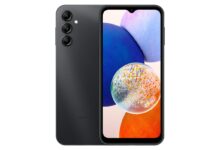
A phone based CRM, or Customer Relationship Management system designed for mobile devices, integrates calling, messaging, contact management, and sales tracking directly into a smartphone. Unlike traditional desktop CRMs, phone based CRM solutions are built for mobility, enabling sales teams, customer support agents, and entrepreneurs to manage client interactions anytime, anywhere. This shift from office-bound systems to mobile-first platforms reflects the evolving nature of modern business.
Core Components of a Mobile CRM
At its heart, a phone based CRM combines several essential tools into one seamless interface. These include contact databases, call logging, task management, calendar integration, and real-time analytics. By centralizing these functions, users can access critical customer data during calls, log interactions instantly, and follow up efficiently—all from their mobile device.
- Contact synchronization with cloud storage
- Automated call logging and recording
- Integration with email and calendar apps
How It Differs From Desktop CRM
While desktop CRMs offer robust features, they lack the immediacy and accessibility of a phone based CRM. Mobile CRMs are optimized for touch interfaces, push notifications, and on-the-go updates. They’re ideal for field sales representatives, remote workers, and service professionals who spend more time outside the office than in it. The key difference lies in responsiveness—mobile CRMs deliver real-time data where and when it’s needed most.
“The future of sales isn’t at a desk—it’s in the field, on a phone, and in constant motion.” — TechSales Today
Top 7 Benefits of Using a Phone Based CRM
Adopting a phone based CRM transforms how businesses interact with customers. From improving response times to streamlining workflows, the advantages are both measurable and impactful. Let’s explore the seven most powerful benefits that make mobile CRM adoption a strategic move for any organization.
1. Real-Time Access to Customer Data
One of the standout features of a phone based CRM is instant access to customer profiles, purchase history, and past communications. Whether you’re meeting a client at a coffee shop or responding to a support query on the road, having complete customer context at your fingertips ensures personalized, informed conversations.
- View full interaction history before making a call
- Update records immediately after a conversation
- Receive alerts for upcoming renewals or follow-ups
2. Enhanced Productivity for Remote Teams
With the rise of remote work, phone based CRM systems empower distributed teams to stay connected and productive. Features like task assignments, shared calendars, and team activity feeds keep everyone aligned—even without a physical office. According to a 2023 study by Gartner, mobile CRM users report a 28% increase in daily task completion rates compared to non-users.
Tools like Salesforce Mobile and Zoho CRM Mobile offer robust mobile interfaces that sync across devices, ensuring no data is lost or duplicated.
3. Faster Response Times and Improved Service
In customer service, speed matters. A phone based CRM enables agents to respond to inquiries within minutes, not hours. With click-to-call functionality and pre-loaded response templates, support teams can resolve issues faster and with greater accuracy. This immediacy leads to higher customer satisfaction and loyalty.
- Click-to-call reduces dialing errors and saves time
- Automated ticket creation from incoming calls
- Instant access to knowledge base articles during calls
Key Features to Look for in a Phone Based CRM
Not all mobile CRM platforms are created equal. To get the most value, it’s crucial to evaluate which features align with your business goals. Here are the must-have capabilities that define a high-performing phone based CRM.
Call Integration and Logging
The cornerstone of any effective phone based CRM is seamless call integration. This means the app should automatically log incoming and outgoing calls, link them to the correct contact, and optionally record conversations (where legally permitted). Advanced systems even transcribe calls for keyword analysis and sentiment tracking.
For example, HubSpot’s call tracking feature ties phone conversations directly to contact records, providing a complete communication timeline.
Offline Mode and Syncing
Field workers often operate in areas with poor connectivity. A reliable phone based CRM must offer offline functionality, allowing users to view contacts, add notes, and schedule tasks without an internet connection. Once the device reconnects, all data syncs automatically to the cloud, preventing information loss.
- Access critical customer data without Wi-Fi or data
- Sync changes across devices in real time
- Ensure compliance with data backup policies
Customization and Workflow Automation
Every business has unique processes. The best phone based CRM platforms allow deep customization—custom fields, pipelines, and automated workflows. For instance, when a lead is tagged as “hot,” the system can automatically assign a follow-up call task, send a personalized SMS, and notify the sales manager.
“Automation in mobile CRM isn’t about replacing humans—it’s about empowering them to focus on what matters: relationships.” — CRM Review Weekly
Industries That Benefit Most From Phone Based CRM
While nearly every sector can gain from mobile CRM adoption, certain industries see exponential improvements due to their reliance on field operations and direct customer engagement.
Sales and Real Estate
Sales professionals and real estate agents spend most of their time meeting clients in person or on the phone. A phone based CRM allows them to update property listings, schedule viewings, and send contracts directly from their smartphone. Platforms like Dotloop integrate CRM with transaction management, streamlining the entire home-buying process.
- Instant access to property details during client meetings
- Automated follow-up emails after showings
- Digital signature capabilities for contracts
Field Service and Maintenance
Technicians and service providers use phone based CRM to receive job dispatches, view service history, and capture customer signatures upon completion. This eliminates paperwork, reduces errors, and improves accountability. For example, a HVAC technician can pull up a client’s past repair records while en route to a service call.
Companies like ServiceMax specialize in mobile CRM for field service, offering GPS tracking, parts inventory management, and real-time reporting.
Healthcare and Home Care Services
In healthcare, mobile CRM supports patient engagement, appointment scheduling, and care coordination. Nurses and home health aides use phone based CRM apps to log patient vitals, update care plans, and communicate with supervisors—all while maintaining HIPAA compliance. This ensures continuity of care and reduces administrative burden.
- Secure messaging between care teams
- Medication reminders and appointment alerts
- Integration with electronic health records (EHR)
How to Choose the Right Phone Based CRM for Your Business
Selecting the ideal phone based CRM requires careful evaluation of your team’s needs, budget, and technical infrastructure. Here’s a step-by-step guide to making the right choice.
Assess Your Team’s Workflow
Start by mapping out your current customer interaction process. Where do bottlenecks occur? Do your reps spend too much time logging calls manually? Is follow-up inconsistent? Identifying pain points helps prioritize which CRM features will deliver the most value.
- Conduct interviews with frontline staff
- Analyze common customer service issues
- Track time spent on administrative tasks
Evaluate Integration Capabilities
Your phone based CRM should integrate smoothly with existing tools—email, calendar, marketing automation, and accounting software. Look for platforms that offer native integrations or support APIs. For example, syncing your CRM with Google Workspace ensures calendar events and emails are automatically logged.
Popular integration standards like Zapier or Microsoft Power Automate allow you to connect your CRM with hundreds of third-party apps without coding.
Test User Experience and Training Needs
No matter how powerful a CRM is, it’s useless if your team won’t use it. Prioritize platforms with intuitive interfaces, minimal learning curves, and strong customer support. Many vendors offer free trials—use this period to gather feedback from actual users.
“Adoption rate is the true measure of CRM success—not feature count.” — Forbes Tech Council
Common Challenges and How to Overcome Them
Despite their benefits, phone based CRM implementations can face obstacles. Understanding these challenges upfront helps ensure a smooth rollout and long-term success.
Data Security and Privacy Concerns
Storing sensitive customer data on mobile devices raises valid security concerns. To mitigate risks, choose a CRM that offers end-to-end encryption, multi-factor authentication, and remote wipe capabilities. Ensure compliance with regulations like GDPR, CCPA, or HIPAA, depending on your industry.
- Require biometric login (fingerprint or face ID)
- Enable automatic logout after inactivity
- Regularly audit access logs
User Resistance and Low Adoption
Employees may resist switching to a new system, especially if it adds complexity. Combat this by involving users early in the selection process, providing hands-on training, and highlighting time-saving benefits. Gamification—like leaderboards for logged calls—can also boost engagement.
A study by Nucleus Research found that companies with strong change management practices achieve 3.5x higher ROI from CRM investments.
Syncing and Compatibility Issues
Not all devices or operating systems behave the same. Ensure your chosen phone based CRM supports both iOS and Android, and test syncing across different network conditions. Cloud-based platforms like Microsoft Dynamics 365 offer reliable cross-platform performance and automatic updates.
Future Trends in Phone Based CRM Technology
The evolution of mobile CRM is accelerating, driven by advancements in AI, 5G, and wearable technology. Staying ahead of these trends ensures your business remains competitive and customer-centric.
AI-Powered Insights and Predictive Analytics
Next-generation phone based CRM systems leverage artificial intelligence to analyze call patterns, predict customer behavior, and recommend next steps. For example, AI can flag a customer at risk of churn based on call sentiment and suggest a retention offer.
- Real-time speech analysis during calls
- Predictive lead scoring based on engagement
- Automated summarization of long conversations
Voice-Activated CRM Assistants
Imagine updating your CRM just by speaking: “Log this call with John Doe, mark him as interested in the premium package, and schedule a follow-up for Friday.” Voice-activated assistants, powered by natural language processing, are making this a reality. Platforms like Oracle CX are already integrating voice commands into their mobile CRM.
Integration With Wearables and IoT
As smartwatches and IoT devices become more prevalent, phone based CRM will extend beyond smartphones. A sales rep might receive a notification on their Apple Watch about a high-value client entering a store, triggering an instant outreach protocol. This level of contextual awareness redefines proactive customer engagement.
“The next frontier of CRM isn’t just mobile—it’s ambient, always-on, and deeply personal.” — MIT Technology Review
What is a phone based CRM?
A phone based CRM is a mobile-optimized Customer Relationship Management system that allows users to manage customer interactions, track sales, and access data directly from their smartphone or tablet. It integrates calling, messaging, contact management, and task tracking into a single platform.
How does a phone based CRM improve sales productivity?
By providing real-time access to customer data, automating routine tasks, and enabling instant follow-ups, a phone based CRM reduces administrative overhead and allows sales teams to focus on building relationships. Features like click-to-call and automated logging save valuable time.
Is a phone based CRM secure?
Yes, reputable phone based CRM platforms use encryption, secure authentication, and compliance protocols (like GDPR or HIPAA) to protect data. However, organizations must also enforce strong password policies and device management practices to ensure full security.
Can a phone based CRM work offline?
Many modern phone based CRM systems offer offline mode, allowing users to view contacts, add notes, and schedule tasks without an internet connection. Data automatically syncs once the device reconnects to the internet.
Which industries benefit most from mobile CRM?
Sales, real estate, field service, healthcare, and home care services benefit significantly from phone based CRM due to their mobile workforce and need for real-time customer data access.
In conclusion, a phone based CRM is no longer a niche tool—it’s a strategic asset for any business aiming to enhance customer engagement, empower remote teams, and drive growth. From real-time data access to AI-driven insights, the benefits are clear and measurable. By choosing the right platform, addressing implementation challenges, and staying ahead of technological trends, organizations can unlock unprecedented levels of efficiency and customer satisfaction. The future of CRM is mobile, and it’s already here.
Further Reading:
