In today’s fast-paced digital world, choosing the right cloud based CRM systems examples can transform how your business manages customer relationships. From startups to enterprises, these platforms offer scalability, real-time insights, and seamless integration—all from the cloud.
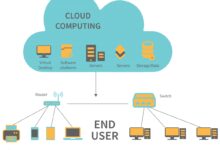
What Are Cloud Based CRM Systems?

Cloud based CRM systems are software solutions hosted on remote servers, accessible via the internet. Unlike traditional on-premise CRM software, they eliminate the need for physical infrastructure, offering businesses greater flexibility, lower upfront costs, and automatic updates.
How Cloud CRM Differs from On-Premise CRM
The primary difference lies in deployment. On-premise CRM requires companies to install and maintain software on their own servers, which involves significant IT resources and capital investment. In contrast, cloud based CRM systems examples operate on a subscription model, where the provider manages hosting, security, and updates.
- Deployment: Cloud CRM is instantly deployable; on-premise requires installation and configuration.
- Cost: Cloud solutions have lower initial costs with predictable monthly fees.
- Maintenance: Updates and backups are automated in cloud CRM, reducing IT workload.
Key Benefits of Using Cloud CRM
Adopting a cloud based CRM system brings numerous strategic advantages. These platforms enhance collaboration, improve data accessibility, and support remote workforces—critical in today’s hybrid work environments.
- Scalability: Easily adjust user licenses and features as your business grows.
- Accessibility: Access customer data from any device with an internet connection.
- Integration: Most cloud CRMs integrate seamlessly with email, marketing automation, and ERP systems.
- Security: Reputable providers offer enterprise-grade encryption and compliance certifications.
“The shift to cloud CRM isn’t just technological—it’s a strategic move toward agility and customer-centricity.” — Gartner Research
Top 7 Cloud Based CRM Systems Examples in 2024
With dozens of options available, selecting the best cloud based CRM systems examples can be overwhelming. Below is a curated list of the top seven platforms based on market share, user satisfaction, feature richness, and scalability.
1. Salesforce Sales Cloud
Salesforce remains the undisputed leader in the CRM space. Its Sales Cloud is a powerful, fully customizable cloud based CRM system designed for businesses of all sizes.
- Features: Lead and opportunity management, AI-powered forecasting (Einstein Analytics), workflow automation, and mobile access.
- Best For: Mid-sized to large enterprises needing deep customization and robust analytics.
- Pricing: Starts at $25/user/month (Essentials), up to $300/user/month (Unlimited).
Salesforce integrates with over 3,000 apps via the AppExchange, making it one of the most extensible platforms. Learn more at Salesforce Official Site.
2. HubSpot CRM
HubSpot CRM stands out for its user-friendly interface and free tier, making it ideal for small businesses and startups exploring cloud based CRM systems examples.
- Features: Contact management, email tracking, deal pipelines, meeting scheduling, and live chat.
- Best For: Small to medium businesses focused on inbound marketing and sales alignment.
- Pricing: Free core CRM; paid tiers start at $45/month for additional features.
HubSpot’s ecosystem includes marketing, sales, service, and CMS hubs, all integrated within a single platform. Visit HubSpot CRM Overview for details.
3. Zoho CRM
Zoho CRM is a cost-effective, feature-rich solution that offers exceptional value, especially for growing businesses looking for affordable cloud based CRM systems examples.
- Features: Sales automation, AI assistant (Zia), multichannel communication, social CRM, and advanced analytics.
- Best For: SMBs and teams needing automation without high costs.
- Pricing: Starts at $14/user/month (Standard), up to $52/user/month (Enterprise).
Zoho also integrates with over 40 Zoho applications and 500+ third-party tools. Explore more at Zoho CRM.
4. Microsoft Dynamics 365 Sales
For organizations already using Microsoft 365, Dynamics 365 Sales offers deep integration with Outlook, Teams, and Office apps—making it a natural fit among cloud based CRM systems examples.
- Features: AI-driven insights, relationship analytics, sales forecasting, and embedded LinkedIn Sales Navigator.
- Best For: Enterprises embedded in the Microsoft ecosystem.
- Pricing: $65/user/month (Professional), $225/user/month (Enterprise).
Dynamics 365 is highly customizable and supports complex sales processes. More info at Microsoft Dynamics 365 Sales.
5. Pipedrive
Pipedrive is built for sales teams that prioritize pipeline visibility and process-driven selling—making it one of the most intuitive cloud based CRM systems examples.
- Features: Visual sales pipeline, activity reminders, email integration, and automation workflows.
- Best For: Sales-focused small businesses and startups.
- Pricing: Starts at $14.90/user/month (Essential), up to $99/user/month (Advanced).
Pipedrive’s drag-and-drop interface simplifies deal management. It also offers excellent mobile functionality. Learn more at Pipedrive CRM.
6. Freshsales (by Freshworks)
Freshsales is a modern, AI-powered CRM that emphasizes ease of use and smart automation—ideal for fast-growing teams evaluating cloud based CRM systems examples.
- Features: Built-in phone, email, and chat; Freddy AI for lead scoring; visual deal pipeline; and activity capture.
- Best For: SMBs wanting an all-in-one communication and sales platform.
- Pricing: Free plan available; paid plans start at $15/user/month.
Freshsales automatically logs interactions, reducing manual data entry. Visit Freshsales CRM for more.
7. Insightly
Insightly combines CRM with project management, making it a strong choice for service-based businesses exploring cloud based CRM systems examples with project tracking.
- Features: Project management, customer journey tracking, workflow automation, and relationship linking.
- Best For: Consulting firms, agencies, and contractors managing client projects.
- Pricing: Starts at $29/user/month (Pro), up to $75/user/month (Project Management).
Its ability to link contacts, projects, and tasks provides a 360-degree customer view. More at Insightly CRM.
How to Choose the Right Cloud Based CRM System
Selecting the best cloud based CRM systems examples for your business requires careful evaluation of your goals, team size, budget, and technical needs.
Assess Your Business Needs
Start by identifying your core objectives. Are you looking to improve lead conversion? Streamline customer support? Or integrate sales and marketing?
- Map out key workflows (e.g., lead capture, follow-up, closing).
- Determine required features: automation, reporting, telephony, etc.
- Consider future growth—will the CRM scale with your team?
Evaluate Integration Capabilities
A CRM should not exist in isolation. It must connect with your existing tools—email, calendar, marketing platforms, and accounting software.
- Check native integrations (e.g., Gmail, Outlook, Slack, Mailchimp).
- Look for API access for custom integrations.
- Verify compatibility with e-commerce platforms like Shopify or WooCommerce.
“A CRM that doesn’t integrate is a data silo, not a growth engine.” — TechRadar CRM Report 2024
Consider User Adoption and Training
Even the most powerful CRM fails if your team doesn’t use it. Prioritize platforms with intuitive interfaces and strong onboarding support.
- Look for mobile apps and offline access.
- Check availability of training resources: videos, webinars, documentation.
- Test usability with a free trial or demo.
Key Features to Look for in Cloud Based CRM Systems Examples
When comparing cloud based CRM systems examples, focus on features that drive efficiency, insight, and customer engagement.
Contact and Lead Management
Centralized contact databases are the foundation of any CRM. The best systems automatically capture leads from forms, emails, and websites.
- Duplicate detection and merge tools.
- Custom fields and tagging for segmentation.
- Lead scoring and grading to prioritize follow-ups.
Sales Automation and Workflow
Automation reduces manual tasks, ensuring consistency and freeing up time for selling.
- Automated email sequences and task assignments.
- Deal stage triggers and notifications.
- Approval workflows for quotes and discounts.
Reporting and Analytics
Data-driven decisions require real-time dashboards and customizable reports.
- Sales performance metrics (conversion rates, cycle length).
- Forecasting tools with AI predictions.
- Custom report builders and export options.
Implementation Best Practices for Cloud CRM
Deploying a new CRM is more than just technical setup—it’s a change management process.
Data Migration and Cleanup
Moving existing customer data into a new CRM requires planning to avoid errors and duplicates.
- Export data from old systems (CSV, Excel).
- Clean and standardize data (e.g., consistent naming, formatting).
- Use import tools or professional services for large datasets.
User Training and Onboarding
Effective training ensures high adoption and reduces resistance.
- Conduct role-based training sessions (sales, marketing, support).
- Create internal documentation and FAQs.
- Appoint CRM champions within teams.
Continuous Optimization
A CRM should evolve with your business. Regularly review usage and performance.
- Monitor login rates and feature usage.
- Collect user feedback quarterly.
- Adjust workflows, fields, and automation rules as needed.
Common Challenges and How to Overcome Them
Despite their benefits, cloud based CRM systems examples can face adoption and technical hurdles.
Low User Adoption
Resistance to change is common. Address it by involving users early and demonstrating value.
- Show time-saving benefits with real examples.
- Keep the interface simple and intuitive.
- Link CRM usage to performance metrics.
Data Security Concerns
Some businesses worry about storing sensitive data in the cloud. Reputable providers address this with robust security.
- Look for SOC 2, GDPR, and HIPAA compliance.
- Enable two-factor authentication (2FA).
- Use role-based access controls (RBAC) to limit data exposure.
Integration Complexity
Not all integrations work seamlessly out of the box. Plan integration strategy carefully.
- Start with critical integrations (email, calendar).
- Use middleware like Zapier or Make for non-native connections.
- Test integrations in a sandbox before going live.
Future Trends in Cloud Based CRM Systems
The CRM landscape is evolving rapidly, driven by AI, automation, and customer expectations.
AI and Predictive Analytics
AI is transforming CRM from a record-keeping tool to a predictive engine.
- AI-powered lead scoring and next-best-action suggestions.
- Natural language processing for sentiment analysis in emails.
- Chatbots for instant customer support within CRM portals.
Hyper-Personalization
Customers expect personalized experiences. Modern CRMs enable dynamic content and tailored communication.
- Behavioral tracking across websites and emails.
- Personalized email templates based on customer history.
- Segmentation based on engagement, demographics, and purchase intent.
Mobile-First CRM Design
With remote work and field sales on the rise, mobile CRM access is no longer optional.
- Offline mode for data entry without internet.
- Voice-to-text for quick note-taking.
- Mobile-specific dashboards and alerts.
Real-World Use Cases of Cloud Based CRM Systems Examples
Understanding how different industries use cloud based CRM systems examples can inspire better implementation.
SaaS Companies
SaaS businesses use CRM to track free trial users, monitor engagement, and convert leads.
- Integrate with product analytics tools (e.g., Mixpanel, Amplitude).
- Automate onboarding emails based on user behavior.
- Track customer health scores to reduce churn.
Real Estate Agencies
Agents manage leads, property listings, and client communications through CRM.
- Automate follow-ups after property viewings.
- Link contacts to listings and open house events.
- Send personalized market updates via email campaigns.
E-commerce Brands
Online retailers use CRM to personalize marketing and improve customer retention.
- Sync order history and browsing behavior from Shopify or WooCommerce.
- Create loyalty programs based on purchase frequency.
- Trigger post-purchase follow-ups and review requests.
What are cloud based CRM systems examples?
Cloud based CRM systems examples include platforms like Salesforce, HubSpot CRM, Zoho CRM, Microsoft Dynamics 365, Pipedrive, Freshsales, and Insightly. These are web-based customer relationship management tools that help businesses manage interactions, sales pipelines, and customer data in a centralized, accessible environment.
What is the best cloud based CRM for small businesses?
For small businesses, HubSpot CRM and Zoho CRM are often the best choices due to their free tiers, ease of use, and strong feature sets. Pipedrive is also excellent for sales-focused startups needing pipeline clarity.
Are cloud CRM systems secure?
Yes, reputable cloud CRM systems are highly secure. They use encryption, regular security audits, and compliance with standards like GDPR and SOC 2. However, businesses should also enforce strong passwords and two-factor authentication.
Can I integrate a cloud CRM with my email and calendar?
Absolutely. Most cloud based CRM systems examples offer native integration with Gmail, Outlook, Google Calendar, and Microsoft 365. This allows automatic logging of emails, calendar sync, and meeting scheduling directly from the CRM.
How much does a cloud CRM cost?
Prices vary widely. Free plans (like HubSpot CRM) are available, while enterprise solutions like Salesforce can cost over $300 per user per month. Most mid-tier CRMs range from $15 to $100 per user per month, depending on features.
Choosing the right cloud based CRM systems examples is a strategic decision that can significantly impact your customer relationships and business growth. From Salesforce’s enterprise power to HubSpot’s inbound marketing synergy, each platform offers unique strengths. The key is aligning the CRM’s capabilities with your business goals, team size, and budget. With proper implementation, training, and ongoing optimization, a cloud CRM becomes more than software—it becomes the central nervous system of your customer experience. As AI, automation, and mobile access continue to evolve, the future of CRM is not just in the cloud, but in intelligence, personalization, and seamless integration across every touchpoint.
cloud based crm systems examples – Cloud based crm systems examples menjadi aspek penting yang dibahas di sini.
Further Reading:
